
An ongoing project.
Lifelines is a project that traces my family’s migrations, including my own, raising questions of belonging, lineage, governments’ attempts to pin us down with documents and stamps, and imperialistic absorption.
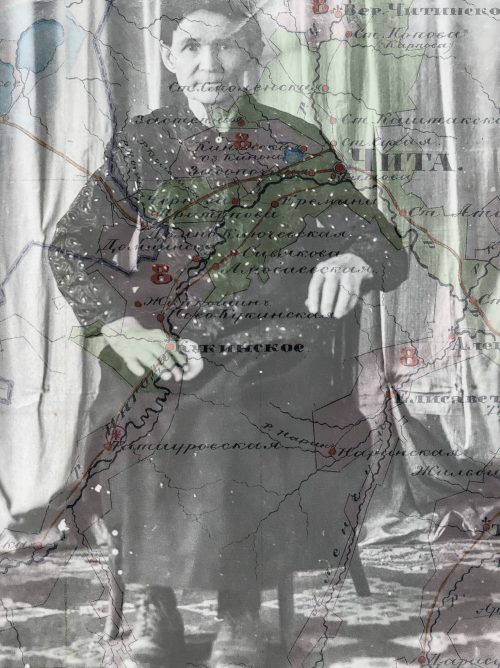
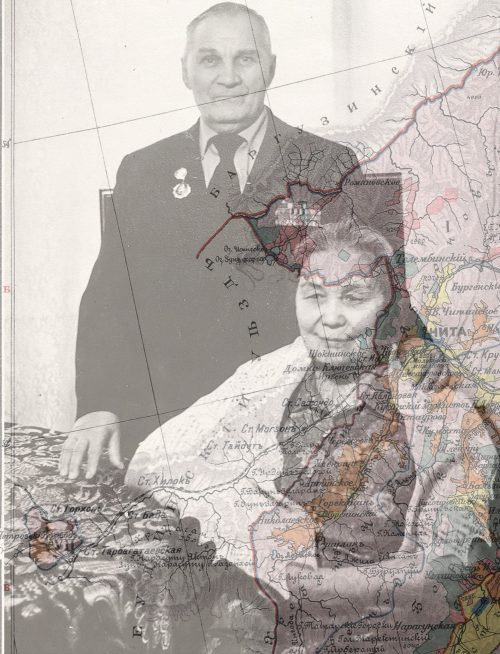
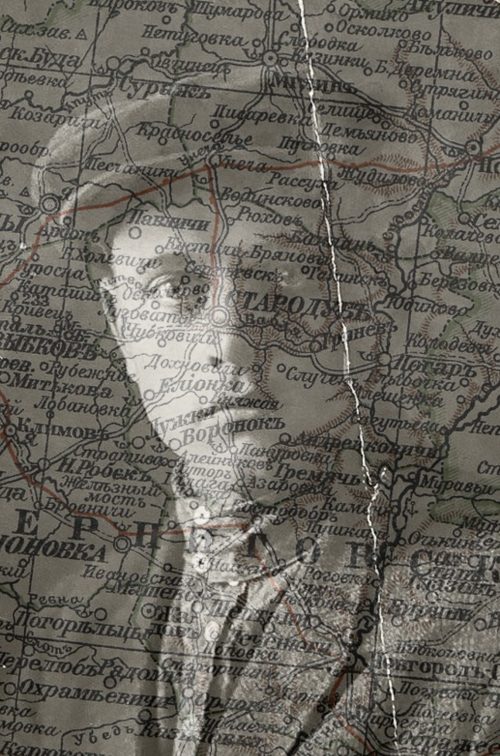
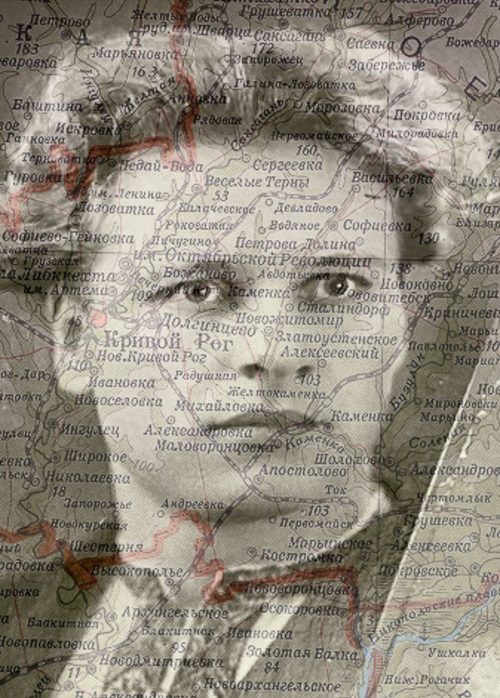
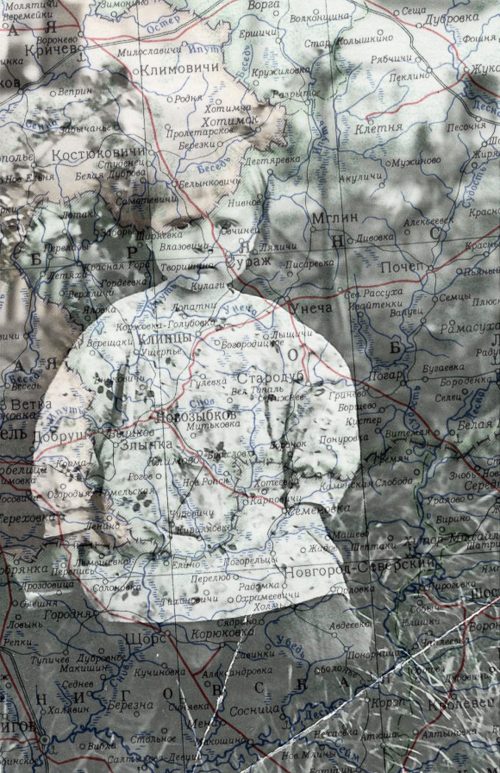
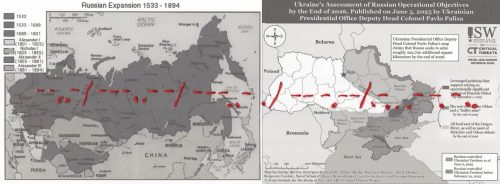
Although my paternal grandmother and my mother were born on territories now framed as russian, they are not of russia. My grandmother, who was born in Domno-Klyuchi village near Chita in the Transbaikal region, carried Mongolian heritage. Those lands were inhabited by Mongolic peoples before the violent russian conquest of Siberia. My mother is from Starodub, a city in Bryansk region. That area has a long history as Ukrainian land, specifically part of the Ukrainian Cossack state and later the Ukrainian State.
I have been living outside of Ukraine for over a decade now, currently residing in Portugal, where my parents joined me when they fled the Russian war in Ukraine after it started in 2022.
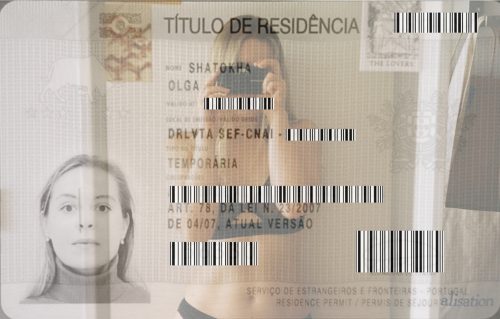
Those who keep moving, migrating, adapting, remain beyond the reach of powers that seek to immobilize, classify, and possess. Empires do not only conquer land – they seek to arrest motion, to turn people into records, documents, entries, proof of their own narratives. Lifelines responds to this logic by showing how my family survived precisely through movement.
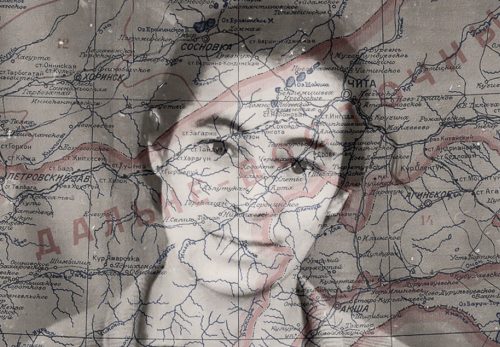
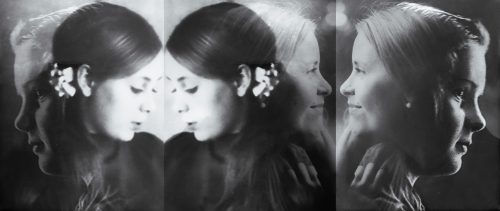
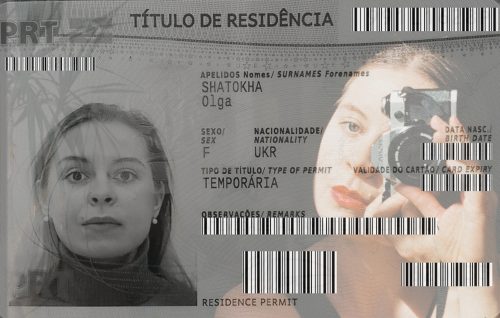
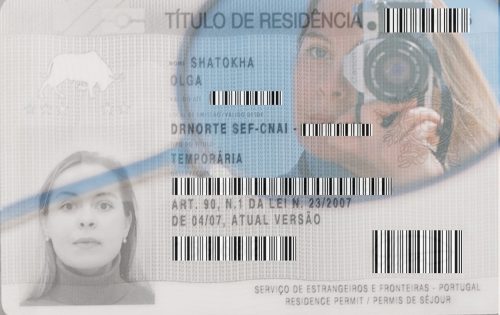
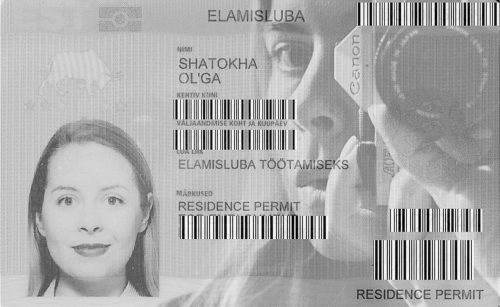
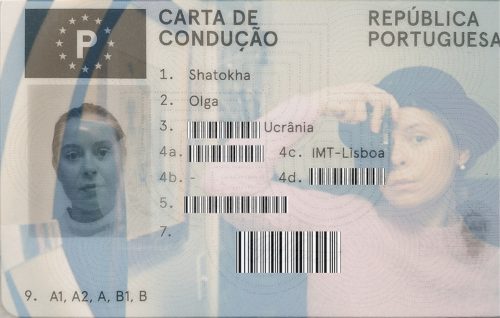
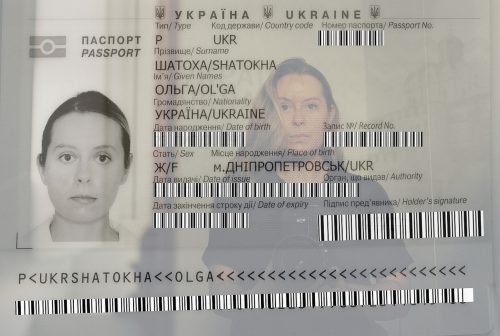
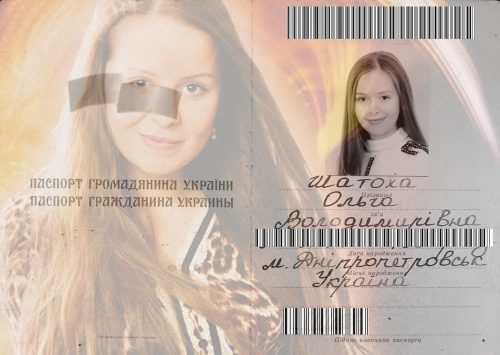
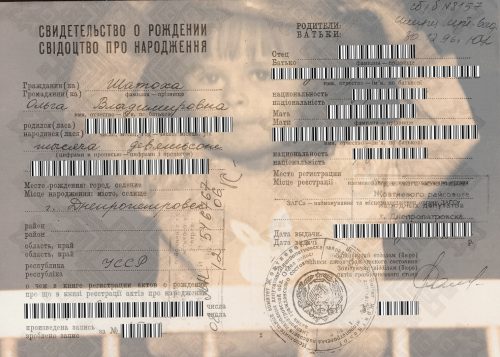
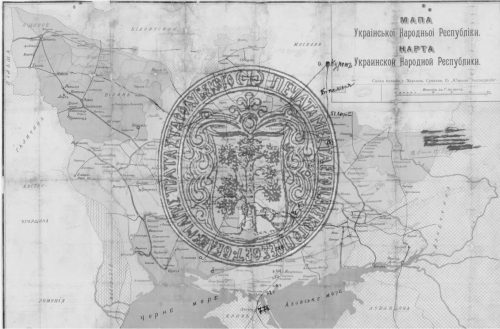
Visually, the work unfolds through double exposures. The first set shows photographs of my ancestors overlapped with maps of the locations where they were born, published around their birth year. Another set shows my IDs – passports, residence permits, and even a USSR-issued (and thus obsolete) birth certificate – overlapped with photos of me taken around the time each document was issued. These double exposures reveal the ambiguity of documents and maps: behind stamps and lines, there are real people’s stories.
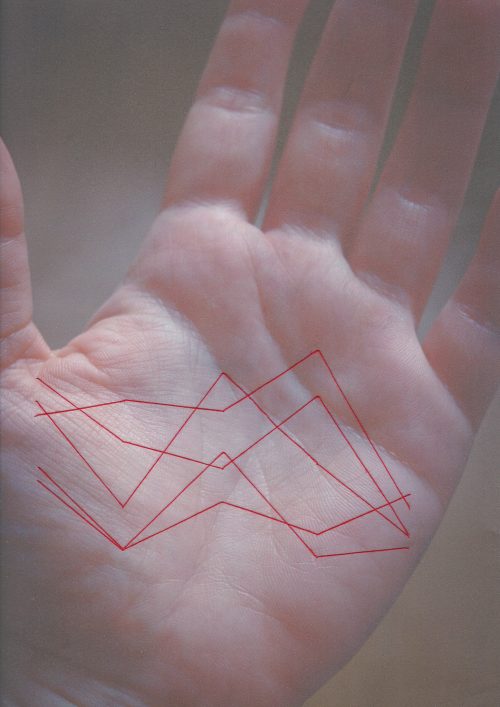
Lifelines is about histories that continue moving despite attempts to pin them down. Each generation adds another line on the map – after all, movement is life.